CEO & Board Succession Planning
Unlock your next generation of leaders
Ensuring the strength of your future leadership team is just as vital as the effectiveness of your current leaders. Our succession planning consultants identify and cultivate the next generation of critical leaders, both within and outside your organisation.

Why is Succession Planning Critical?
of boards report that they lack confidence in the readiness of their leadership pipeline.
of all CEOs globally are due to retire, resign or require replacement in the next 5 years.
of organisations have 'ready now' successors for their senior leadership roles
Navigating Your Highest-Stakes Transition
Leadership transitions have the power to define an organisation’s trajectory for a decade. Whether you are navigating an unexpected departure, preparing for a Founder exit, or architecting a multi-year CEO handover, the rigor of your succession strategy will dictate the outcome.
Many boards identify internal successors early. However, exceptional performance in an operational role rarely guarantees success at the helm. It is a critical fiduciary duty to objectively assess how your internal pipeline measures up—not only against the outgoing incumbent, but against elite external talent in the broader market.
Succession demands absolute clarity, unapologetic objectivity, and decisive judgement. That is where our Principals intervene. We deliver unvarnished insight to ensure your boardroom transitions are meticulously de-risked.
Bespoke Succession Advisory
Our succession planning consultants draw on our assessment, succession, and development expertise, combined with unrivalled leadership profiling tools.
A CEO transition requires profound structural alignment. We architect highly bespoke 'Ideal Candidate Profiles' drawn directly from your future strategic imperatives, not just past performance. Utilizing our advanced predictive data, we rigorously evaluate both internal executives and external market talent. We then provide the Board with actionable intelligence: determining who possesses the capability to lead now, and who requires highly targeted executive coaching to secure the helm in the future.
Succession Planning Methodology
Planning
Selection
Transition
Ideal Candidate Profiling
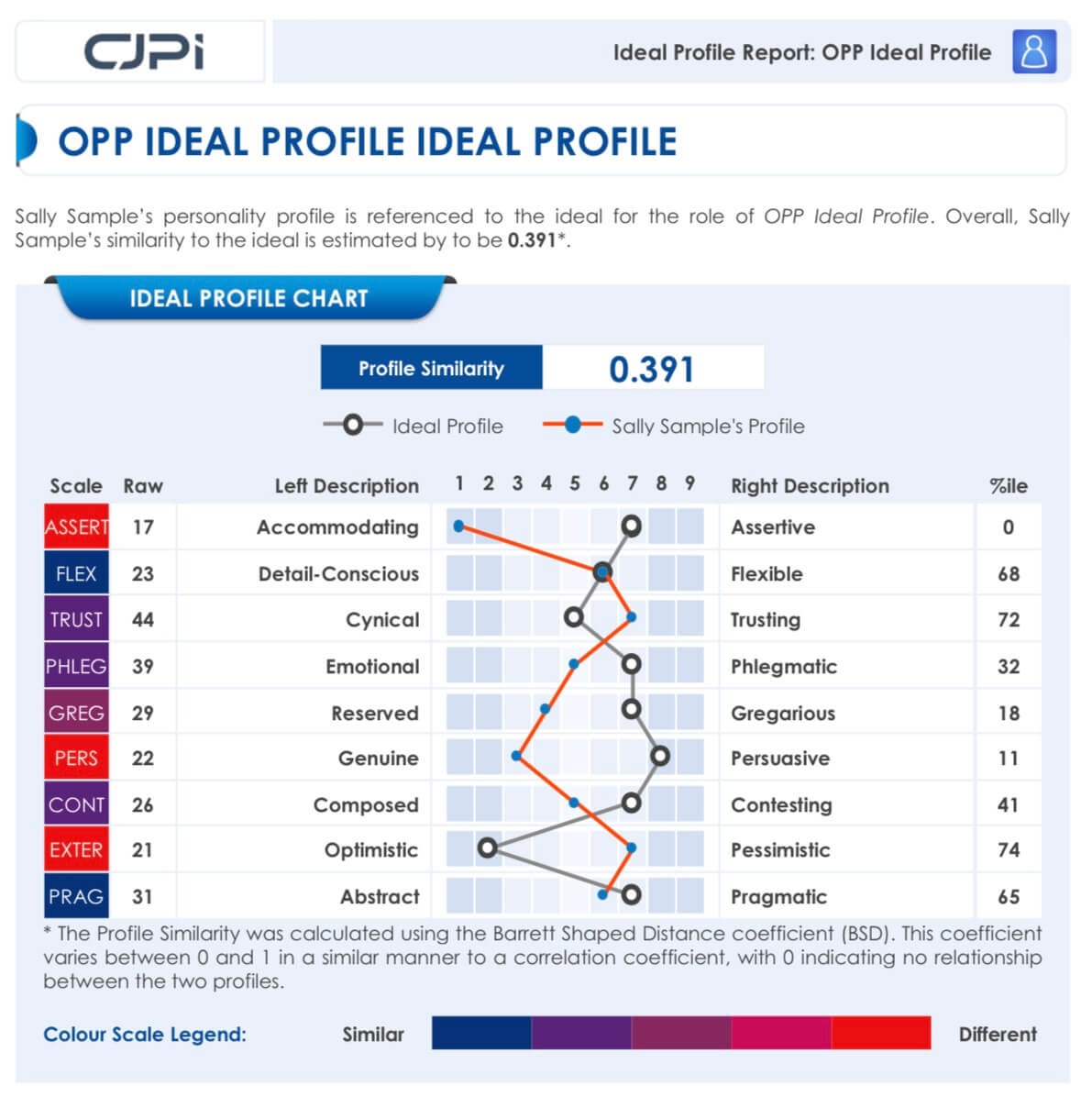
As part of our succession planning process we utilise ideal candidate profiles, which can be used as a comparative benchmark. We can generate this ideal profile based on actual respondent data (such as an incumbent), a theoretical ideal, or a combination of both. We then use this to consider the similarity of each candidate assessed against the ideal profile.
Where data meets expertise
Theoretical or incumbent ‘ideal’ benchmark
Understand how each succession option compares
Data-driven approach for better, anti-bias decisions

Develop
Dynamic
Data
Request a Confidential Consultation
Our Recent Succession Case Studies
FAQ For Succession Planning
Succession planning is the process of identifying and developing employees to fill key positions within an organisation. It is a strategic approach to ensuring that the organisation has the talent it needs to achieve its goals, even when key employees leave or retire.
Succession planning is more than just finding replacements for top executives. It should also focus on developing talent at all levels of the organisation. This helps to create a deep bench of qualified employees who are ready to step up into new roles when opportunities arise.
Effective succession planning is data-driven. Companies should use assessments to identify the strengths and weaknesses of their employees, and then compare those results to the requirements of key positions. This helps to identify any gaps that need to be addressed through development or external executive search.
To develop a succession plan for a senior leader or CEO, you need to take a holistic approach in order to:
- Identify the key roles and positions in your organisation. What roles are critical to the success of your business? What are the key competencies and skills that are required for these roles?
- Assess your current leadership team. Who are your top performers? Who has the potential to move into more senior roles? Consider factors such as experience, skills, knowledge, and leadership potential.
- Identify potential successors. Once you have assessed your current leadership team, you can start to identify potential successors for key roles. This may include internal candidates, external candidates, or a mix of both.
- Develop a development plan for each potential successor. This plan should identify the skills and knowledge that the individual needs to develop in order to be successful in the role. The plan should also include opportunities for the individual to gain experience and exposure.
- Communicate the succession plan to stakeholders. It is important to communicate the succession plan to key stakeholders, such as the board of directors, senior leaders, and employees. This will help to ensure that everyone is aligned on the plan and that there is a smooth transition when the time comes.
Over 60% of internal promotions to executive positions fail within 18-months. This is primarily due to lack of planning, assessment and failure to consider a full talent map and careful transition.
Succession planning is therefore critical and that is where succession planning consultants like CJPI can help.
First, it helps to ensure that the organisation has a pipeline of qualified candidates to draw from when key positions become vacant. This is important because it allows the organisation to avoid disruptions to business operations and to attract and retain top talent.
Second, succession planning helps to develop future leaders. By identifying and developing high-potential employees, organisations can identify a pool of qualified candidates who are ready to step into senior roles when the time comes. This helps to ensure that the organisation has the leadership it needs to be successful in the long term.
Third, succession planning can help to mitigate the risk of unexpected departures. By having a succession plan in place, organisations can be prepared to fill key positions quickly and efficiently, even if an employee leaves unexpectedly. This can help to minimise the disruption to business operations and to protect the organisation’s competitiveness.