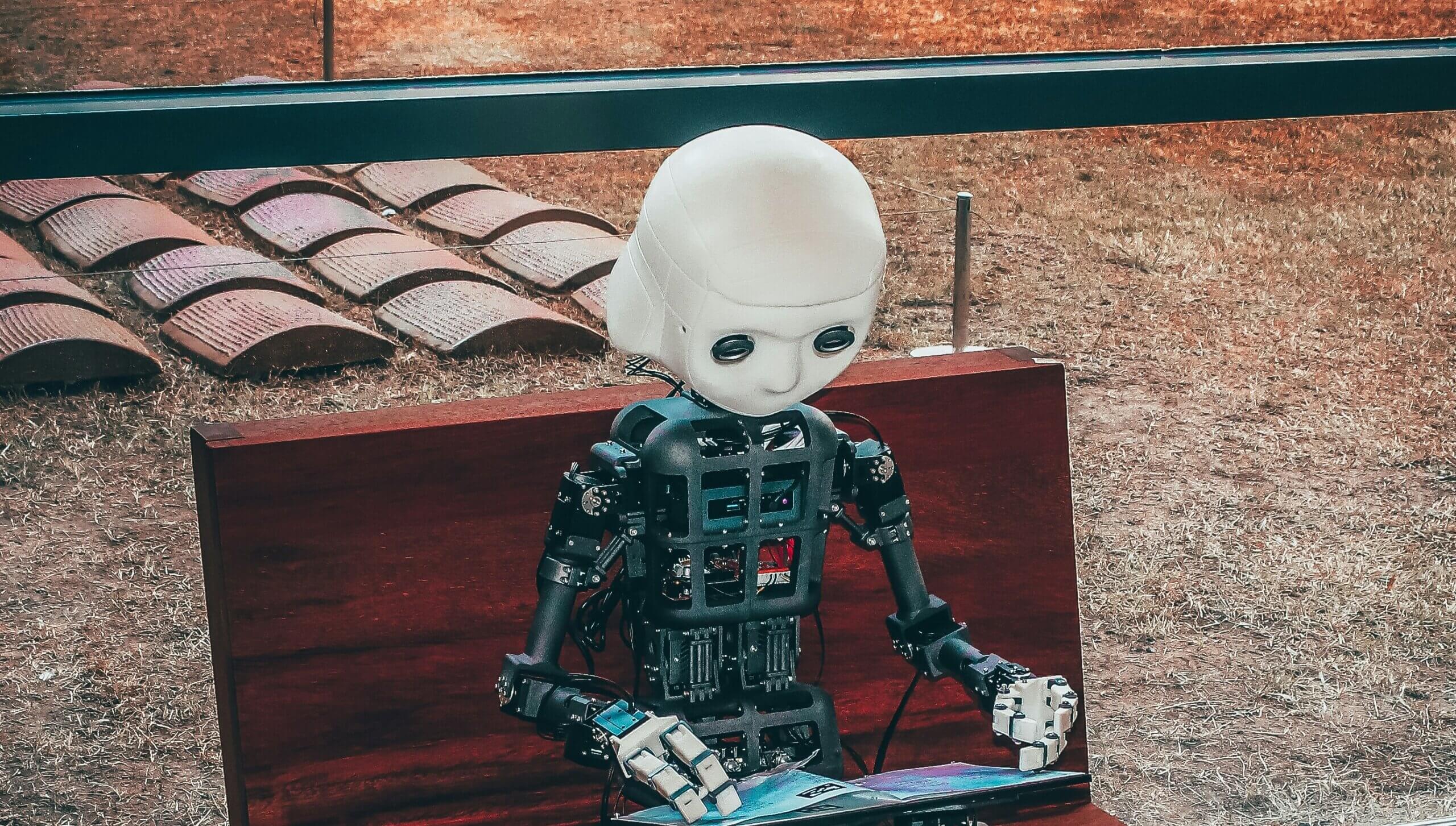

As the technical barriers to entry for complex tasks continue to fall, lowered by generative AI and automated workflows, the corporate world is witnessing a curious paradox. The more we automate our logic, the more we value our humanity. We have entered an era where “hard” technical skills are increasingly commoditised, while “soft” interpersonal skills have become the new high-value currency.
In this climate, hiring for empathy is no longer a “nice-to-have” for HR; it is a strategic criticality for the bottom line. When every competitor has access to the same high-speed algorithms, the only remaining differentiator is the quality of the human experience.
Why Soft Skills Are Harder to Find
The rapid adoption of AI has shifted the “value-add” of the human worker. If an AI can draft a contract, diagnose a mechanical fault, or write a clean block of code, the human’s role moves from execution to orchestration and empathy.
The skills that are currently in shortest supply are those that AI cannot convincingly replicate:
- Nuanced Negotiation: Understanding the unspoken motivations and emotional hesitations of a counterparty.
- Complex Conflict Resolution: De-escalating high-stakes internal or external tensions where a “logical” solution isn’t enough.
- Ethical Judgement: Navigating the “grey zones” of corporate responsibility where data provides no clear moral compass.
Redefining the High-Performer
The traditional definition of a high-performer—the “brilliant jerk” who delivers results but leaves a trail of cultural destruction—is being phased out. In a world of remote and hybrid work, a leader’s ability to foster psychological safety and inclusive communication is directly correlated to team retention and productivity.
Companies are now utilising Behavioural Science to identify empathy during the recruitment process. This moves beyond standard interview questions (“Tell me about a time you showed empathy”) toward immersive simulations and cognitive testing designed to reveal how a candidate reacts under pressure.
The Empathy Audit in Recruitment:
- Active Listening Tests: Assessing a candidate’s ability to synthesise not just what was said, but the emotional subtext behind it.
- Perspective-Taking Scenarios: Requiring candidates to argue a position they fundamentally disagree with to test their cognitive empathy.
- Collaborative Friction Labs: Small-group exercises where the goal is to reach a consensus in a high-pressure, resource-scarce environment.
The Case for Compassion
The “Soft Skills Premium” is visible in the data. UK firms that have pivoted their hiring criteria toward high Emotional Intelligence (EQ) report significantly lower turnover rates and higher customer satisfaction scores. In the professional services sector, clients are increasingly choosing firms not based on their “proprietary tech” (which is now often outsourced to the same few AI providers) but on the depth of the relationship and the perceived empathy of the consultants.
Furthermore, as AI takes over routine customer interactions, the human touchpoints that remain are often the most complex and emotionally charged. If a customer is frustrated or facing a unique problem that the chatbot couldn’t solve, they need an empathetic human who can provide a “restorative experience.” A lack of empathy at this critical junction can lead to permanent brand damage.
Cultivating Empathy
Hiring for empathy is only half the battle; the organisation must also sustain it. This requires a shift in performance management. If your KPIs only reward “output” and “speed,” you will inadvertently coach the empathy out of your employees.
Modern performance frameworks are beginning to incorporate:
- Collaboration Credits: Measuring how much an individual contributes to the success of others.
- Mentorship Metrics: Valuing the time spent developing junior talent.
- Client Sentiment Analysis: Using natural language processing to assess the “emotional health” of long-term client relationships.
The Human Advantage
In the race toward total automation, the finish line isn’t a world without humans; it’s a world where the human elements are the most precious. By prioritising empathy in the hiring process, boards and executives are not just “doing the right thing”—they are future-proofing their organisations against the eventual parity of technological tools.
The machines will provide the speed, but it is the humans who will provide the meaning.