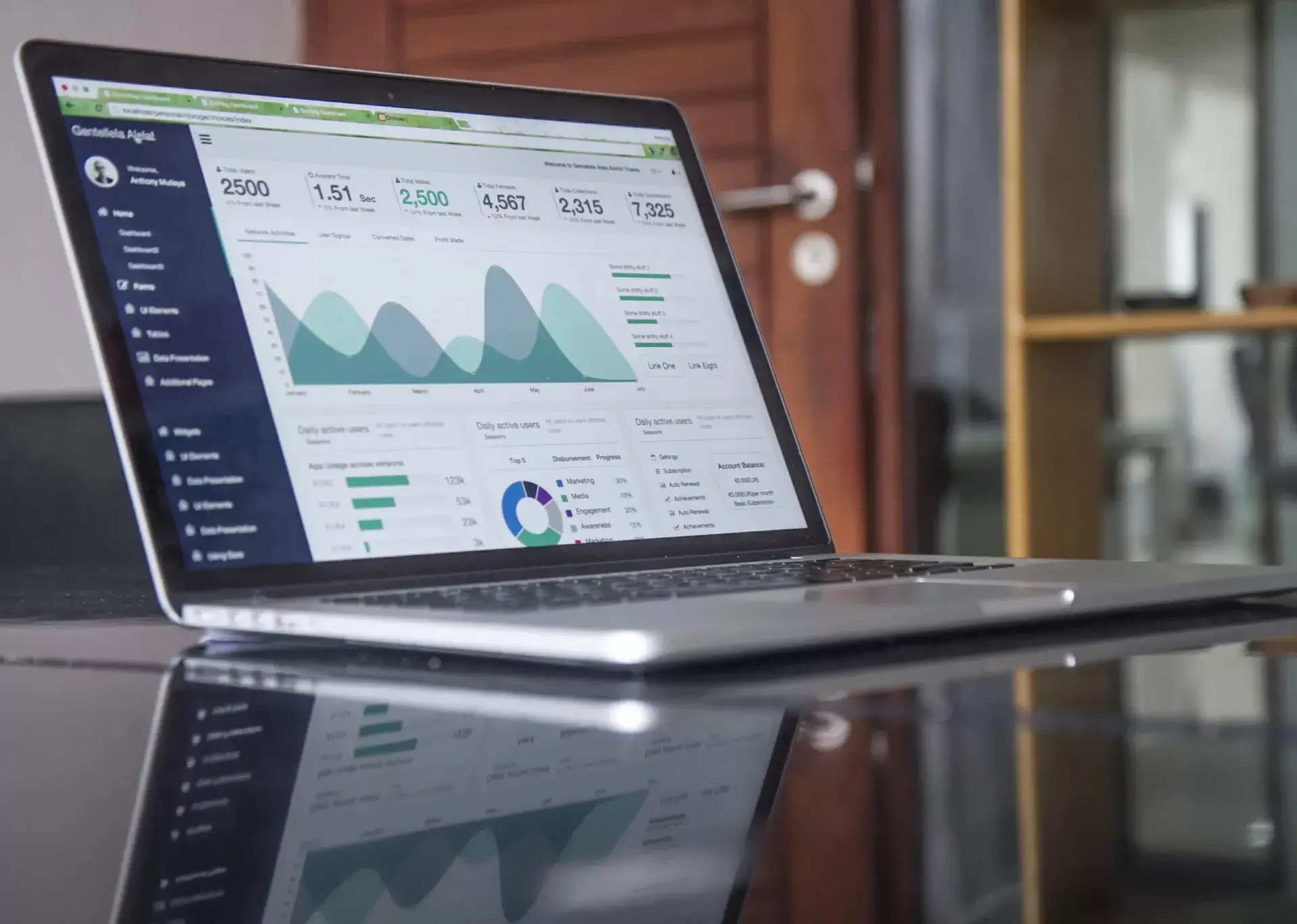

Data has become one of the most dependable drivers of competitive advantage. Organisations that use it well outperform those that rely on instinct, habit or legacy reporting. But true data driven decision making is not about dashboards. It is about creating the conditions where decisions at every level are informed by clear evidence, intelligent interpretation and a shared view of what matters.
Below is a practical guide to how businesses can use data to unlock growth and run with greater efficiency.
Start with clarity on the decisions that matter
Most organisations collect significant amounts of data but are unclear about which decisions it is meant to inform. Before building models or investing in tools, leaders should map the decisions that genuinely shape performance. Common areas include pricing, resource allocation, customer segmentation, sales prioritisation, capacity planning and investment choices.
Once these decisions are clear, the data required becomes obvious. It also prevents teams from chasing metrics that add noise rather than insight.
Build confidence in your foundations
Data only supports good decisions when people trust it. Confidence is shaped by:
- Consistency of key data sources
- Quality and completeness of inputs
- Clarity of definitions and metrics
- Accessibility across teams
This is not glamorous work, but it is essential. Many high performing organisations begin by strengthening data hygiene, simplifying reporting structures and agreeing a common language for critical measures. Without this, even sophisticated analytics fail to influence behaviour.
Translate data into insight
Raw data does not create value. Insight does. The step between the two is interpretation.
Insight answers questions such as:
- What is driving the change in performance?
- How does behaviour differ across customer groups?
- Which interventions have the strongest impact?
- What patterns or risks are emerging early?
A blend of analytical capability and commercial judgement is required. Teams that combine both will quickly spot opportunities others miss.
Enable decisions at the right level
Data driven organisations ensure people closest to the work are equipped to make informed decisions quickly. This does not mean removing leadership oversight. It means creating clarity about:
- What decisions should be made locally
- What requires escalation
- What thresholds or rules apply
This frees leaders to focus on strategic calls while ensuring frontline teams can act with confidence, supported by evidence rather than waiting for instruction.
Invest in capability, not just technology
Tools help, but skills unlock the value. Businesses that excel in data driven decision making invest in:
- Data literacy for all leaders, not just technical teams
- Training focused on interpreting insight rather than learning software
- Clear roles for analysts, product teams and operational leads
- Playbooks that show how decisions should be taken in different scenarios
As capability rises, data becomes a natural part of how the organisation thinks and behaves.
Create a culture of curiosity
Data is most powerful when it prompts questions. Organisations that treat data as a scoring system limit its value. Those that use it to explore, test and refine ideas accelerate progress.
Leaders should encourage teams to:
- Challenge assumptions
- Test options through small experiments
- Review performance regularly
- Share learnings openly
Curiosity turns data into a source of advantage rather than compliance.
Connect data to growth
Data driven decision making helps identify growth levers with precision. Typical applications include:
- Understanding which customer segments deliver the highest lifetime value
- Identifying cross-sell or up-sell opportunities
- Pinpointing attrition signals before customers leave
- Refining pricing to maximise margin without eroding demand
- Using market and competitor analysis to guide strategic focus
Growth becomes more predictable when decisions are grounded in evidence rather than optimism.
Drive efficiency through visibility
Efficiency is not about cutting costs. It is about using resources where they create the most value. Data helps leaders understand:
- Where processes slow down
- Where demand fluctuates and where capacity is misaligned
- Which activities create value and which add little
- Where errors, waste or rework occur
- How performance varies across teams, time periods or locations
The result is sharper allocation of people, time and capital.
Make reporting simple and aligned
Many organisations have more dashboards than decisions. Streamlining reporting so that leaders see the right few indicators supports better judgement. Effective reporting should be:
- Timely
- Easy to interpret
- Linked to strategic goals
- Consistent across the business
- Owned by those who use it
Clarity beats complexity every time.
Ensure leadership sets the tone
Data driven organisations are shaped from the top. Leaders must:
- Ask for data when decisions are debated
- Demonstrate how evidence influenced their choices
- Highlight when assumptions were proven wrong and what changed as a result
- Back teams who use data to challenge established thinking
When leaders model this behaviour, it becomes part of the organisation’s rhythm.